What equipment is needed for grease trap cleaning?
Professional grease trap cleaning requires specialized equipment to safely and completely remove grease, sludge, wastewater, and food solids. Most commercial grease trap cleaning companies use vacuum pumping trucks or portable pumping equipment, heavy-duty vacuum hoses, scraping tools, pressure washers, inspection lights, and personal protective equipment (PPE). For larger grease interceptors, vacuum trucks provide the most efficient removal of accumulated waste. In some cases, hydro jetting equipment is also used to clean connected drain lines and remove stubborn grease buildup. Professional equipment ensures the grease trap is thoroughly cleaned while waste is properly transported and disposed of according to local regulations..
What are the signs my grease trap needs cleaning?
Several warning signs indicate it's time to schedule grease trap cleaning. Slow-draining sinks are one of the most common symptoms, followed by unpleasant odors coming from floor drains or the grease trap itself. You may also notice wastewater backing up into sinks, standing water around the grease trap, excessive grease accumulation, or increased fruit fly activity. Some businesses experience frequent drain clogs or receive health department warnings due to excessive FOG (fats, oils, and grease) buildup. Even if no obvious problems are present, regular grease trap maintenance should be performed before grease occupies more than 25% of the trap's capacity.
How do you prevent buildup in a grease trap?
Preventing grease buildup starts with good kitchen practices. Staff should avoid pouring cooking grease, oil, or food scraps directly down drains and instead dispose of them properly. Installing sink strainers helps keep food particles out of the plumbing system, while wiping greasy cookware with paper towels before washing can significantly reduce the amount of FOG entering the grease trap. Regular grease trap pumping and scheduled maintenance are also essential. Following a routine cleaning schedule based on your kitchen's volume ensures grease never has an opportunity to accumulate to problematic levels.
What are the benefits of regular grease trap cleaning?
Routine grease trap cleaning protects both your plumbing system and your business. Regular maintenance helps prevent drain backups, sewer overflows, unpleasant odors, and expensive emergency plumbing repairs. It also extends the lifespan of your grease trap and connected plumbing while improving drainage throughout your commercial kitchen. Keeping grease traps clean helps businesses remain compliant with local wastewater and health regulations, minimizes downtime, and creates a cleaner working environment for employees. Investing in preventive maintenance is almost always less expensive than dealing with a plumbing emergency caused by excessive grease buildup.
What are the different types of grease traps?
There are several types of grease traps used in commercial food service facilities: Passive Hydromechanical, Automatic Grease Removal Units (AGRU), and Gravity Grease Interceptors (GGI). Small indoor grease traps are commonly installed beneath sinks or inside commercial kitchens and are designed for lower grease volumes. Larger outdoor grease interceptors are buried underground and can handle significantly higher wastewater flow from busy restaurants and institutional kitchens. Grease traps are available in stainless steel, fiberglass, concrete, and plastic construction, depending on the application and local code requirements. Choosing the right grease trap depends on factors such as kitchen size, wastewater volume, and the amount of fats, oils, and grease your business generates each day. Routine cleaning and maintenance are important for every type of grease trap to ensure reliable performance and prevent costly plumbing issues.
Do you offer grease trap hydrojetting and drain cleaning?
Heavy grease buildup doesn't only affect the grease trap. It can also accumulate inside drain lines and sewer piping. Our licensed plumber team offers complete drain cleaning and hydro jetting services to remove stubborn grease deposits from commercial plumbing systems. Hydro jetting uses high-pressure water to scour grease, sludge, food debris, and buildup from the inside of your pipes without harsh chemicals. This powerful jetting process restores proper flow and helps prevent recurring blockages. When combined with routine grease trap cleaning, hydro jetting helps keep your entire commercial plumbing system operating efficiently.
How much does grease trap cleaning cost?
Grease trap cleaning starts at $299. Final pricing depends on the size of the grease trap, the amount of grease and solids present, accessibility, and the frequency of service.
Can you do grease trap repairs?
Not every grease trap problem requires replacement. Sometimes damaged lids, broken baffles, leaking components, or deteriorated fittings can be repaired. Our technicians provide professional trap repair services to restore your grease trap and prevent more costly issues down the road. If we identify a problem during your scheduled grease trap cleaning, we'll explain the issue and recommend the most cost-effective solution.
Grease Trap Cleaning and Maintenance Services
Commercial Kitchen Grease Trap Cleaning Services From Expert Local Plumbers

Inspections

Cleaning

Repair

Emergencies
CALL (253) 364-7416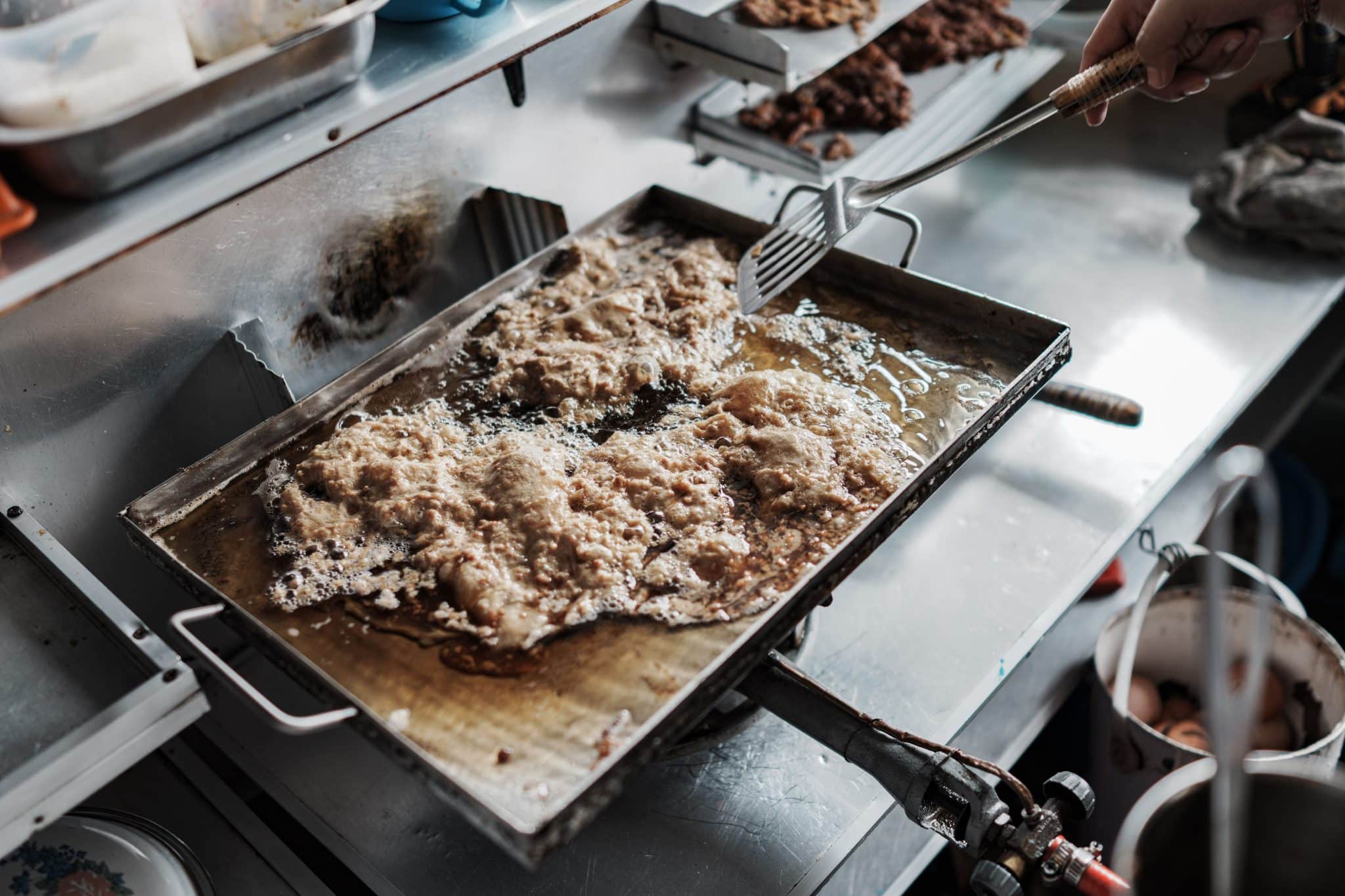
Commercial Kitchen and Restaurant Grease Trap Maintenance
CALL UPFRONT AT (253) 364-7416A clogged or overflowing grease trap can bring your commercial kitchen to a halt. At Upfront Septic & Plumbing, we provide dependable commercial grease trap cleaning services for restaurants, cafes, food trucks, grocery stores, schools, hospitals, and other food service businesses throughout Pierce County, WA. Our experienced technicians remove built-up grease, oils, fats, and food solids to keep your plumbing system flowing properly and help your business stay compliant with local regulations.
Whether you need routine maintenance or emergency grease trap pumping, you can count on our team for prompt, professional service that minimizes downtime and keeps your kitchen operating efficiently.
TESTIMONIALS
We used Upfront Septic and Plumbing for a particularly nasty grease trap job at a highly reputable restaurant. Harmon does great work, very tenacious and knowledgeable.
Upfront Septic and Plumbing helped us pump and clean a large grease trap that was neglected. Harmon did some great work. We were able to lean on him extensively in helping us get the job done.
I would not hesitate to recommend this business. Very professional. Communication was excellent. All work was completed in a timely manner. Here at exactly the time they said they would be. We have used them in other projects and I appreciate we have never had to call back for any project.
Grease Trap Pumping & Interceptor Cleaning
Over time, grease traps collect fats, oils, grease (FOG), and food particles that can restrict flow and create unpleasant odors. If left unchecked, these materials can cause clogged drains, wastewater backups, plumbing damage, and even health code violations.
Routine grease trap cleaning helps:
- Prevent kitchen drain backups
- Reduce unpleasant odors
- Improve plumbing performance
- Extend the life of your grease trap
- Minimize emergency plumbing repairs
- Help maintain local health code compliance
Staying ahead of grease buildup is far less expensive than dealing with an unexpected plumbing emergency.
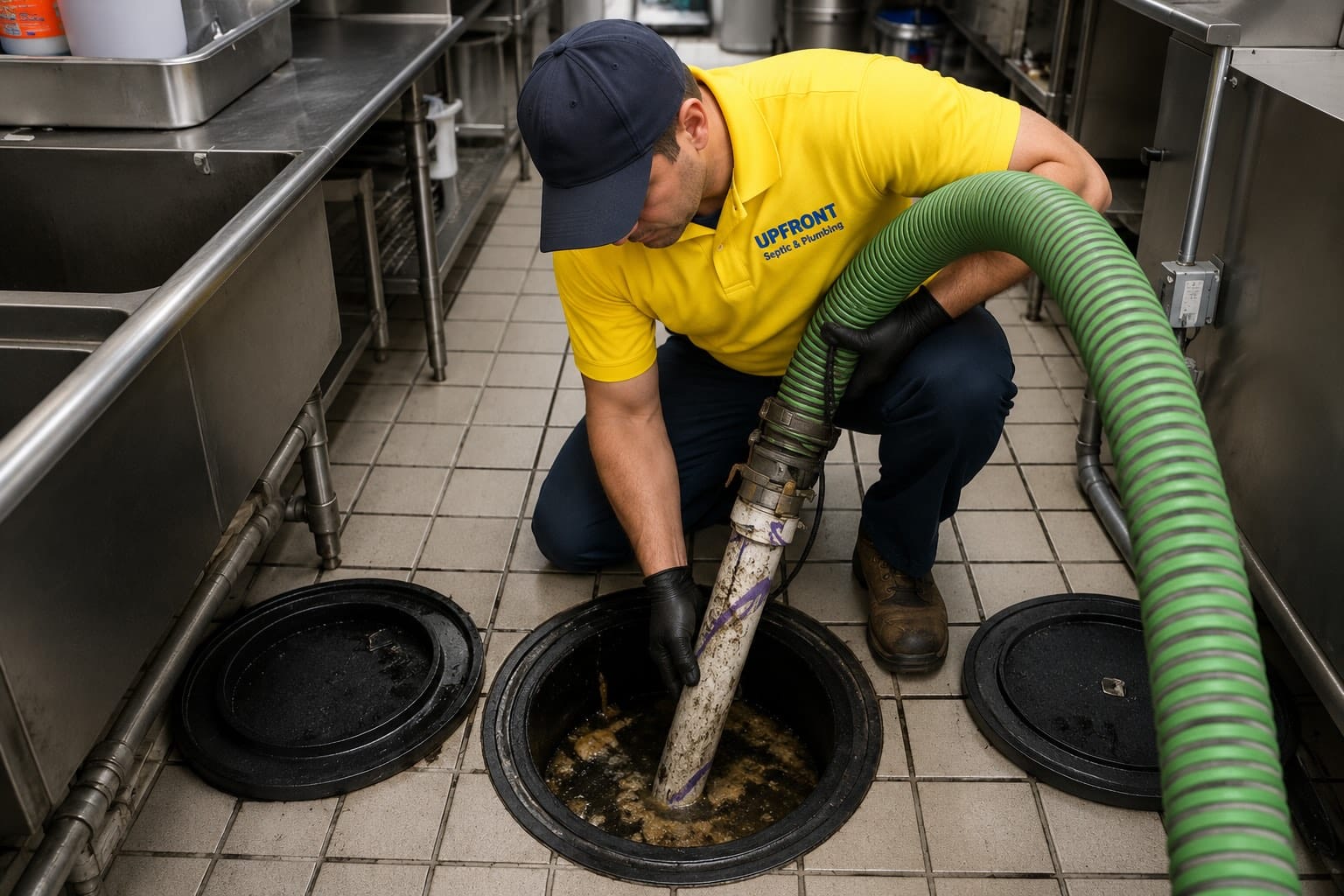
Our professional grease trap technicians completely remove accumulated grease, sludge, and wastewater before cleaning the interior of the unit. We service:
- Indoor grease traps
- Outdoor grease interceptors
- Concrete interceptors
- Steel grease traps
- High-capacity commercial systems
Routine grease trap and interceptor cleaning protects your plumbing system while helping your business remain compliant with local wastewater requirements.
CALL UPFRONT ON (253) 364-7416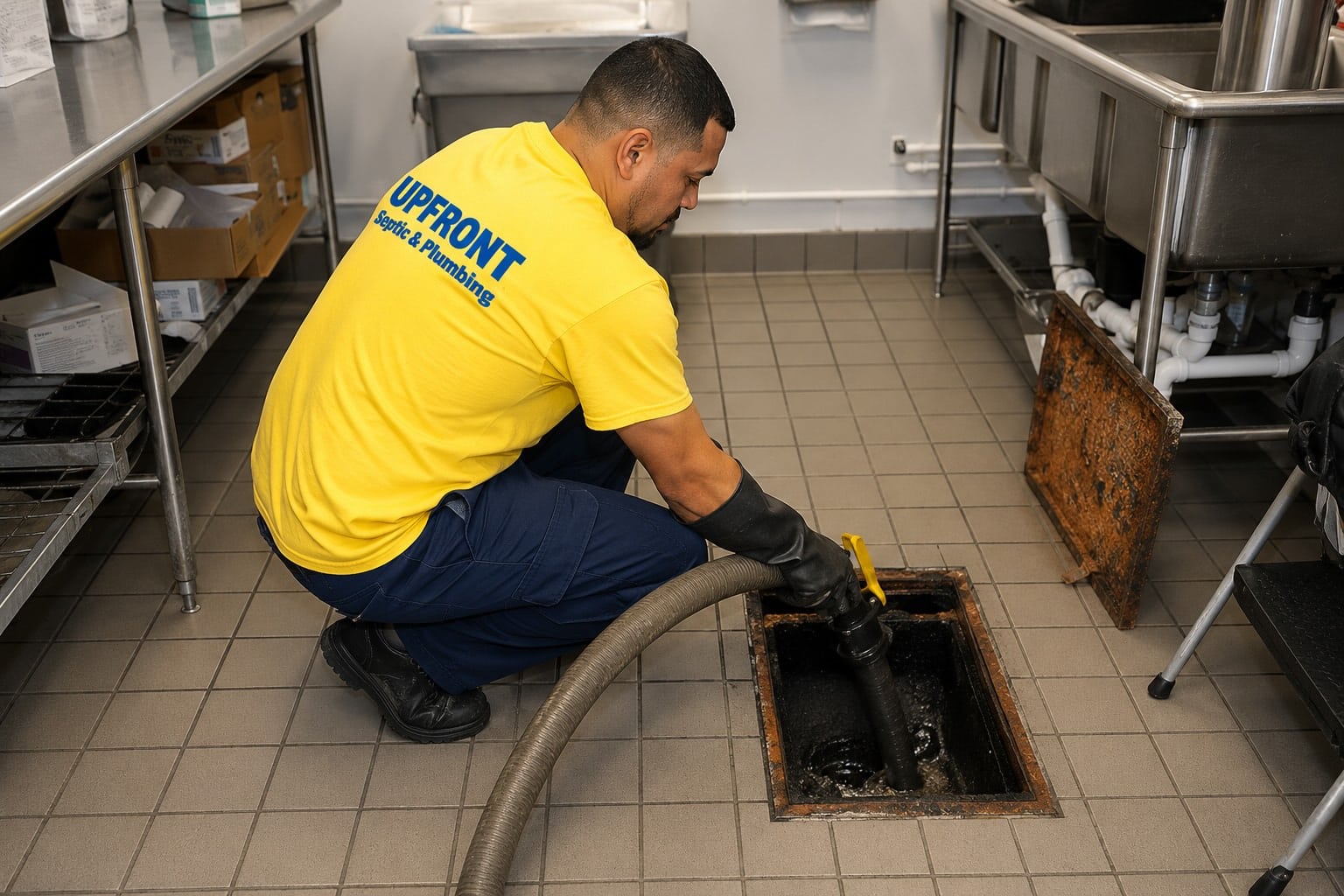
Request a Free Quote Today
If your grease trap is overdue for service or you're looking for a dependable company to handle ongoing trap maintenance, Upfront Septic & Plumbing is here to help. We provide professional grease trap cleaning, grease trap pumping, grease interceptor cleaning, trap repair, drain cleaning, and hydro jetting throughout Pierce County, WA.
Contact Upfront Septic & Plumbing today to request your free quote and learn how our commercial grease trap services can help keep your kitchen clean, your plumbing flowing, and your business operating without interruption.
Grease Trap FAQs
What equipment is needed for grease trap cleaning?
Professional grease trap cleaning requires specialized equipment to safely and completely remove grease, sludge, wastewater, and food solids. Most commercial grease trap cleaning companies use vacuum pumping trucks or portable pumping equipment, heavy-duty vacuum hoses, scraping tools, pressure washers, inspection lights, and personal protective equipment (PPE). For larger grease interceptors, vacuum trucks provide the most efficient removal of accumulated waste. In some cases, hydro jetting equipment is also used to clean connected drain lines and remove stubborn grease buildup. Professional equipment ensures the grease trap is thoroughly cleaned while waste is properly transported and disposed of according to local regulations.
What are the signs that a grease trap needs cleaning?
Several warning signs indicate it's time to schedule grease trap cleaning. Slow-draining sinks are one of the most common symptoms, followed by unpleasant odors coming from floor drains or the grease trap itself. You may also notice wastewater backing up into sinks, standing water around the grease trap, excessive grease accumulation, or increased fruit fly activity. Some businesses experience frequent drain clogs or receive health department warnings due to excessive FOG (fats, oils, and grease) buildup. Even if no obvious problems are present, regular grease trap maintenance should be performed before grease occupies more than 25% of the trap's capacity.
How do you prevent buildup in a grease trap?
Preventing grease buildup starts with good kitchen practices. Staff should avoid pouring cooking grease, oil, or food scraps directly down drains and instead dispose of them properly. Installing sink strainers helps keep food particles out of the plumbing system, while wiping greasy cookware with paper towels before washing can significantly reduce the amount of FOG entering the grease trap. Regular grease trap pumping and scheduled maintenance are also essential. Following a routine cleaning schedule based on your kitchen's volume ensures grease never has an opportunity to accumulate to problematic levels.
What are the benefits of regular grease trap cleaning?
Routine grease trap cleaning protects both your plumbing system and your business. Regular maintenance helps prevent drain backups, sewer overflows, unpleasant odors, and expensive emergency plumbing repairs. It also extends the lifespan of your grease trap and connected plumbing while improving drainage throughout your commercial kitchen. Keeping grease traps clean helps businesses remain compliant with local wastewater and health regulations, minimizes downtime, and creates a cleaner working environment for employees. Investing in preventive maintenance is almost always less expensive than dealing with a plumbing emergency caused by excessive grease buildup.
What are the different types of grease traps?
There are several types of grease traps used in commercial food service facilities: Passive Hydromechanical, Automatic Grease Removal Units (AGRU), and Gravity Grease Interceptors (GGI). Small indoor grease traps are commonly installed beneath sinks or inside commercial kitchens and are designed for lower grease volumes. Larger outdoor grease interceptors are buried underground and can handle significantly higher wastewater flow from busy restaurants and institutional kitchens. Grease traps are available in stainless steel, fiberglass, concrete, and plastic construction, depending on the application and local code requirements. Choosing the right grease trap depends on factors such as kitchen size, wastewater volume, and the amount of fats, oils, and grease your business generates each day. Routine cleaning and maintenance are important for every type of grease trap to ensure reliable performance and prevent costly plumbing issues.
Do you offer grease trap hydrojetting and drain cleaning?
Heavy grease buildup doesn't only affect the grease trap. It can also accumulate inside drain lines and sewer piping. Our licensed plumber team offers complete drain cleaning and hydro jetting services to remove stubborn grease deposits from commercial plumbing systems.
Hydro jetting uses high-pressure water to scour grease, sludge, food debris, and buildup from the inside of your pipes without harsh chemicals. This powerful jetting process restores proper flow and helps prevent recurring blockages. When combined with routine grease trap cleaning, hydro jetting helps keep your entire commercial plumbing system operating efficiently.
Can you do grease trap repairs?
Not every grease trap problem requires replacement. Sometimes damaged lids, broken baffles, leaking components, or deteriorated fittings can be repaired. Our technicians provide professional trap repair services to restore your grease trap and prevent more costly issues down the road.
If we identify a problem during your scheduled grease trap cleaning, we'll explain the issue and recommend the most cost-effective solution.
How much does grease trap cleaning cost?
Grease trap cleaning starts at $299. Final pricing depends on the size of the grease trap, the amount of grease and solids present, accessibility, and the frequency of service.
Meet grease trap compliance inspections for just $299*
*Starts at $299, call for details.